



Introduction
Telehealth has evolved from a convenient alternative to a fundamental part of modern healthcare. What once served as an emergency solution during the pandemic has now become a preferred method for patients seeking fast, remote, and efficient medical care. As digital adoption rises globally, patients expect telehealth to offer more than just video consultations—they expect a complete end-to-end digital care experience.
In this article, we explore what patients now demand from telehealth platforms and how healthcare providers can adapt to maintain trust, competitiveness, and clinical excellence.
1. Seamless Appointment Booking & Instant Access
Patients want telehealth platforms that make scheduling effortless. Long forms, slow responses, or outdated systems reduce trust and satisfaction.
A modern telehealth platform should offer:
- One-tap appointment booking
- Automated reminders
- Real-time availability
- Integrated online payments
- Fast check-in and verification
Convenience is the first step in delivering positive digital healthcare.
2. High-Quality Video & Stable Connections
Poor audio or blurry video interrupts diagnosis. Patients now expect:
- HD video calls
- Clear audio with noise reduction
- Stable streaming even on mobile data
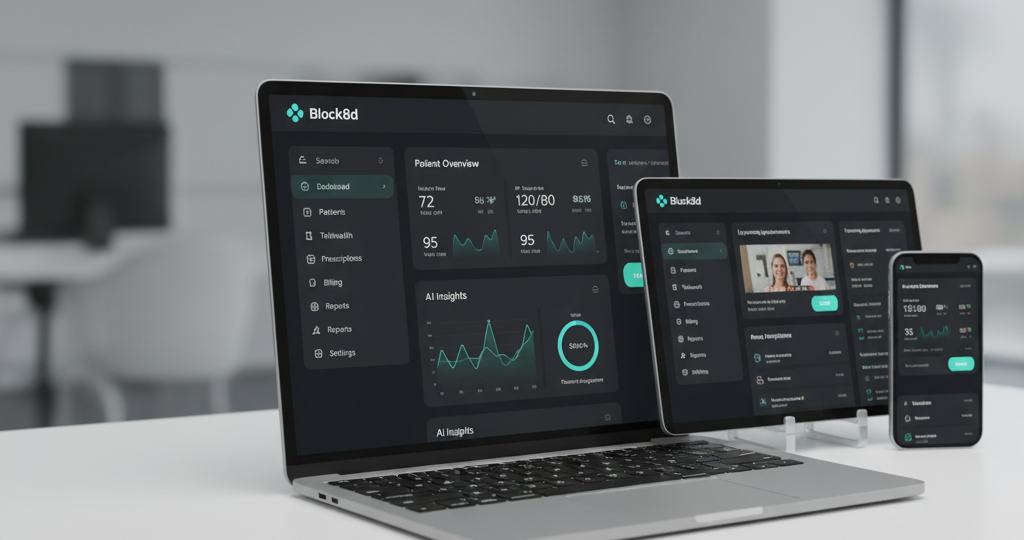
- Multi-device access (Laptop, Tablet, Mobile)
If the telehealth session feels like a normal in-person consultation, patient satisfaction increases significantly.
3. Integrated EHR for a Complete Care Experience
Telehealth should not exist separately from the patient’s medical records.
Patients expect:
- Doctors to access their history instantly
- Digital prescriptions instantly sent
- Lab test integration
- Visit summaries emailed after the call
- Secure messaging for follow-ups
When EHR is integrated, telehealth becomes a full clinical experience, not just a video call.
4. Remote Patient Monitoring (RPM) for Continuous Care
Patients—especially those with chronic conditions—expect their telehealth provider to support:
- Connected wearable devices
- Real-time vitals tracking
- Alerts sent to clinicians
- Remote assessments and care adjustments
RPM adds continuity to telehealth, enabling proactive care and reducing emergency visits.
5. AI-Powered Support for Faster Service
AI assistants have become essential features of telehealth.
Patients appreciate:
- 24/7 symptom checkers
- Automated pre-consultation triage
- Medication reminders
- AI scheduling assistants
- Secure chatbots for follow-up queries
AI not only improves efficiency but enhances the overall patient experience.
6. Strong Privacy & Data Security
Patients trust telehealth only if their data is protected.
Today’s digital healthcare users want:
- Encrypted video sessions
- HIPAA-compliant platforms
- Secure storage of medical records
- Clear privacy policies
- Multi-factor authentication
Security builds trust—and trust builds long-term loyalty.
7. Patient Education & Self-Care Tools
Patients expect digital platforms to empower them, not just treat them.
Top features include:
- Personalized health recommendations
- Online resources & blogs
- Self-monitoring tools
- Medication trackers
- Mental wellness assessments
Providing knowledge builds stronger healthcare relationships.
Conclusion
Telehealth is no longer just a digital alternative—it is the new standard for modern healthcare delivery. Providers who embrace user-friendly telehealth systems, integrated EHR, AI automation, and RPM technology will lead the industry in 2025 and beyond.
Telehealth isn’t the future anymore—it’s the present.
Ready to build a world-class, patient-centered telehealth platform? Block8D develops custom EHR, telehealth, AI, and RPM solutions for clinics, hospitals, and homecare providers worldwide. Let’s bring your healthcare operation into the digital-first era.
